Orthodontic Case Acceptance: Marketing’s Role After the Consult
Marketing affects orthodontic case acceptance in three ways. It sets accurate expectations before the consult, makes cost and payment clear, and supports respectful follow-up for patients who need time. It cannot replace the clinical conversation. Measure acceptance by lead source so you know which channels bring patients who start treatment.
Case acceptance is the share of patients who start treatment after a consult where treatment was recommended. It depends mostly on the orthodontist, the treatment coordinator and the patient’s needs. Yet many decisions start before the patient walks in. This guide covers what research says, what marketing can and cannot fix, and how to measure it honestly.
Key takeaways
- Case acceptance is mostly decided in the consult. Marketing’s job is to send well-informed patients and support them afterward.
- Research names cost, fear, information gaps and treatment invasiveness among the reasons people decline or postpone.
- Clear cost, insurance and payment information before the consult removes a common barrier.
- Track acceptance by lead source, and never use pressure tactics to raise the number.
In this article
- What case acceptance means and how to measure it
- What research says about why patients accept or decline
- What marketing can fix, and what it cannot
- Set expectations before the consult
- Make cost clear early
- Follow up after the consult, without pressure
- Close the loop with your treatment coordinator
- Measure acceptance by lead source
- What not to do
- Frequently asked questions
What case acceptance means and how to measure it
Define the metric before you try to improve it. A simple version is:
- Case acceptance rate = treatment starts (or signed contracts) ÷ consults where treatment was recommended.
- Leave out observation patients and consults where no treatment was advised.
- Use a fixed time window, such as starts within 90 days of the consult.
For example, a practice that recommends treatment at 40 consults in a quarter and starts 26 of them has a 65% acceptance rate. These numbers are hypothetical.
Agree on the definition with the doctor and treatment coordinator. If each person counts differently, you cannot see whether changes help. A tracking sheet with these three fields is enough to start.
What research says about why patients accept or decline
Published research on orthodontic case acceptance is limited. The studies below are useful, but they cover specific groups. Do not treat their numbers as benchmarks for your practice.
| Study | Who was studied | Key findings |
|---|---|---|
| Greenlee et al., AJODO, 2024 (National Dental PBRN) | 345 US adults with anterior open bite, from 91 orthodontic providers | About 78% accepted the most highly recommended plan. 60% accepted when surgery was recommended. Common reasons to decline: not wanting jaw surgery, or seeing treatment as too invasive, risky and/or costly. |
| Anagnostou et al., Angle Orthodontist, 2025 | 270 young adults aged 18 to 30 in Greece | Reasons for postponing included fear of the procedure, appearance during treatment, insufficient information, high cost, treatment length and plans to relocate. |
Two lessons follow for marketing. First, cost and invasiveness matter, so be open about both. Second, some patients delay because they lack information. That gap is something good content can close.
The open bite study also found that insurance coverage for surgery was associated with higher acceptance of surgery. Clear insurance information is not a small detail.
What marketing can fix, and what it cannot
Be honest about where marketing helps. Otherwise you will chase the wrong fixes.
| Marketing can help with | Marketing cannot fix |
|---|---|
| Accurate expectations about treatment time and process | Whether treatment is clinically right for the patient |
| Clear cost ranges, insurance and payment information | The fee itself or the practice’s payment terms |
| Sending patients who match the treatments you offer | A rushed or confusing consult |
| Respectful follow-up for patients who need time | Trust lost to pressure tactics |
| Measuring acceptance by lead source | A recommendation the patient does not need |
If acceptance is low for one lead source only, the problem may be targeting or messaging. If it is low across all sources, look at the consult process first.
Set expectations before the consult
Patients who arrive with accurate expectations make decisions more easily. Your website and pre-visit emails should answer the basics before the consult.
- Treatment time. The AAO says most people have braces for 12 to 24 months. Avoid promises of faster results.
- Process. Explain the steps from consult to records, appliance and retainers.
- Options. Explain that the orthodontist recommends braces, aligners or another option after the exam.
- What the consult includes. Say how long it takes and whether there is a fee.
Each treatment page should cover these points in the same order. Our orthodontic treatment page template shows how.
Ads matter too. An ad that promises a low price or a short treatment time sets up disappointment at the consult. Keep ad claims in line with what the orthodontist will actually recommend.
Not sure where your practice stands? A free growth audit lists your top three fixes for Google, Maps and AI answers, in writing. Get a free growth audit · See our orthodontic marketing services
Make cost clear early
Cost is a common reason for delay in the studies above. The AAO says cost depends on the type, complexity and duration of treatment. That is why exact fees come after the exam. You can still remove much of the uncertainty before it.
- Publish a fee range or cost factors on your website.
- Explain insurance. The AAO says plans typically cover a percentage of the cost or a fixed benefit. It advises checking lifetime maximums and age limits.
- Describe in-house payment plans. The AAO notes these often come with low or no interest.
- Mention that FSAs and HSAs can be used for eligible expenses, as the AAO notes.
Be careful with third-party financing. A 2023 CFPB report says many medical credit cards use deferred interest. If a balance remains after the promotional period, interest is charged back to the purchase date. The CFPB found people incurred interest on 20% of healthcare purchases made with deferred interest products from 2015 to 2020. Explain terms plainly, and never sign patients up without their clear consent.
Our guide to orthodontic prices and financing on your website covers wording in detail.
Want to know where consults stall?
We will review your treatment pages, cost information and follow-up flow, and show where patients drop off.
Follow up after the consult, without pressure
Many patients need time. They may want to talk with a spouse, check insurance or compare offices. A respectful follow-up helps them decide. A pushy one drives them away.
The sequence below is agency guidance, not research. Adjust it with your treatment coordinator.
| When | What to send | Why |
|---|---|---|
| Same day | Written summary of the plan, fees and options | Lets the family review details at home |
| 2 to 3 days later | Call or email to answer questions | Questions often come up after the visit |
| About 2 weeks later | Short check-in with an insurance or payment update if relevant | Removes practical barriers |
| About 1 to 2 months later | Final friendly note that the door stays open | Ends follow-up respectfully |
Keep these messages about the patient’s own care. Leave clinical detail out of texts and voicemails. Collect consent for texts and honor opt-outs. Our guides to consultation request follow-up and text message consent cover the details.
Close the loop with your treatment coordinator
The treatment coordinator hears every objection first hand. Marketing rarely does. A short monthly meeting between the two closes that gap.
What marketing should share before the consult
- The lead source, such as Google search, an ad, a referral or a review site.
- The page or ad the patient saw, if known.
- Any question the patient asked when booking.
This helps the coordinator start where the patient already is. A parent who read your early treatment page needs a different opening than an adult who clicked an aligner ad.
What the coordinator should share back
- The questions patients ask most often at consults.
- Claims patients repeat from ads or other websites, accurate or not.
- Reasons patients give for waiting or declining.
Turn this feedback into content. If parents keep asking how insurance works, add a clear insurance section to your cost page. If adults worry about appearance, explain the less visible options your orthodontist offers. This is how marketing improves acceptance without any pressure at all.
Measure acceptance by lead source
Not all leads are equal. A channel that brings many consults but few starts may cost more per patient than one with fewer, better-matched leads.
- Record the lead source for every new patient, using a fixed list.
- Record whether treatment was recommended at the consult.
- Record the start date, or a reason for not starting.
- Each quarter, calculate acceptance by source and by treatment type.
Keep the reasons list simple: cost, timing, wants to think, chose another office, not ready, or other. Over time, patterns appear. If “cost” leads the list, review your cost content and payment options first.
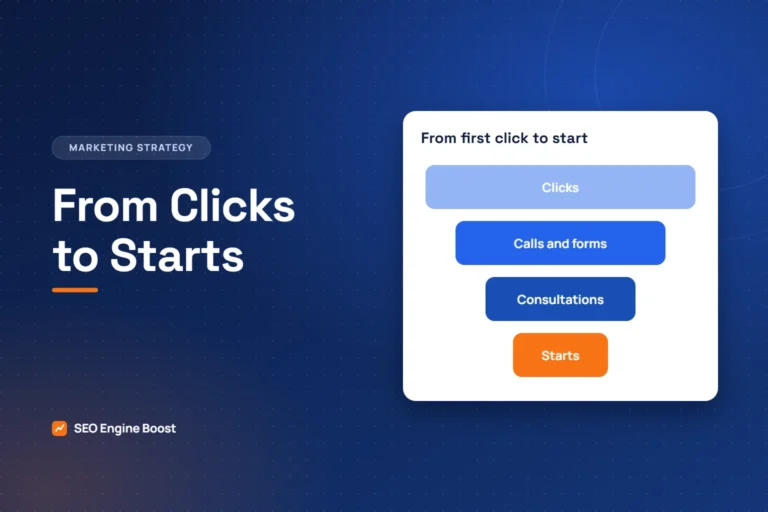
Our guide to measuring orthodontic marketing shows how acceptance fits into the full funnel, from lead to start. The orthodontic marketing hub covers each step.
What not to do
Some tactics raise starts in the short term but damage trust and reviews. Avoid them.
- Same-day discounts that expire when the patient leaves.
- Fake deadlines or “limited spots” messages.
- Repeated texts or calls after a patient says they need time.
- Downplaying treatment length, retention or cost to close a case.
- Promising results or timelines the orthodontist has not confirmed.
Patients talk to each other and leave reviews. A practice known for honest advice earns referrals that no promotion can buy.
Frequently asked questions
What is a good orthodontic case acceptance rate?
There is no reliable published benchmark for general orthodontic practices, so we do not quote one. One US study of adults with open bite found about 78% accepted the most recommended plan, but that group is narrow. Measure your own rate consistently, then track it by lead source and treatment type.
Can marketing improve case acceptance?
Partly. Marketing can set accurate expectations, explain cost and payment, and support respectful follow-up. It can also bring patients who match the treatments you offer. It cannot replace a clear, caring consult. If acceptance is low across all lead sources, review the consult process before changing your marketing.
Why do patients decline orthodontic treatment?
Studies list several reasons. One US study looked at adults with open bite. The top reasons were not wanting jaw surgery and seeing treatment as too invasive, risky or costly. A study of young adults found fear, appearance during treatment, lack of information, cost and treatment length led people to postpone.
Should we follow up with patients who did not start?
Yes, respectfully. Send a written summary the same day, offer to answer questions a few days later, and check in once or twice more. Then stop. Keep messages about the patient’s own care, leave clinical details out of texts, and honor any opt-out right away.
Should we offer discounts to close more cases?
Be careful. Same-day discounts and fake deadlines can raise starts briefly but damage trust and reviews. Clear fees, transparent payment plans and honest advice usually work better over time. If you offer any discount, apply it consistently and explain the terms in writing.
Sources
- Greenlee GM et al., American Journal of Orthodontics and Dentofacial Orthopedics: Treatment acceptance in adult patients with anterior open bite: A National Dental Practice-Based Research Network study (October 2024)
- Anagnostou C et al., The Angle Orthodontist: Predictors of willingness to uptake orthodontic treatment and qualitative insights into the reasons for its postponement in young adults (2025)
- American Association of Orthodontists: How Much Do Braces Cost? Financing Options for Orthodontic Treatment (October 16, 2025)
- American Association of Orthodontists: How Do Braces Work? (last modified September 30, 2026)
- Consumer Financial Protection Bureau: Medical Credit Cards and Financing Plans (May 2023)
Keep reading
See where your practice stands
If you would like a second pair of eyes on your own practice, we offer a free growth audit: a manual review of your local visibility, website, reviews and content, with a prioritized list of what to fix first.
Try it with your own numbers: use our free case acceptance rate calculator to see your rate and what a small change is worth.