Orthodontic Patient Experience: A Stage-by-Stage Map from First Call to Retainers
The orthodontic patient experience is every interaction a family has with your practice, from the first phone call or form fill through consultation, treatment visits, debond and retention. Practices that manage it deliberately get more starts from the same leads and more reviews and referrals from the same patients. Below is a stage-by-stage map with the touchpoints that matter most, scripts, and the metrics that tell you whether it is working.
Key takeaways
- Treatment lasts many months, so experience compounds: small frictions at every visit add up, and so do small delights.
- The highest-leverage moments are the first call, the consultation, the first appointment after bonding, and debond day.
- Ask for reviews and referrals at moments of genuine satisfaction, never with incentives or only from happy patients.
- Measure answered-call rate, speed to follow-up, consult show rate, start rate, on-time appointments, review volume and referral sources.
Why does patient experience matter so much in orthodontics?
Most dental visits are short and spaced out. Orthodontic treatment is different: a family may visit your office many times over a year or more, often with a parent waiting in the reception area and a teenager who would rather be elsewhere. That long relationship means:
- Experience shapes the decision to start. Parents often compare more than one practice, and the clinical plan can sound similar from office to office. How they were treated becomes the tie-breaker.
- Experience shapes compliance. Patients who feel informed and respected are more likely to wear elastics and aligners as directed.
- Experience shapes your marketing. Reviews, word-of-mouth and sibling starts are all downstream of how families felt.
The orthodontic patient journey at a glance
| Stage | Key touchpoints | What goes wrong most often | Metric to watch |
|---|---|---|---|
| 1. First contact | Phone call, web form, chat, text | Missed calls, slow callbacks, rushed scheduling | Answered-call rate; time to first response |
| 2. Before the consult | Confirmation, forms, directions, what to expect | Long paperwork, no reminder, unclear parking | Consult show rate |
| 3. Consultation | Greeting, records, doctor exam, treatment and fee presentation | Long waits, jargon, unclear pricing | Same-day and 30-day start rate |
| 4. Decision follow-up | Follow-up call or text, financing questions | No follow-up at all | Pending-to-start conversion |
| 5. Bonding or aligner start | Appointment, instructions, comfort check | Overload of instructions, no check-in call | Post-start call completion |
| 6. Treatment visits | Adjustments, scans, progress updates | Running late, no progress explained to parents | On-time appointment rate; missed appointments |
| 7. Debond | Reveal, photos, retainer delivery | Treated like any other visit | Review and referral requests made |
| 8. Retention | Retainer checks, replacements, sibling care | Families forgotten after debond | Retention visit attendance; sibling starts |
Stage 1: How should the first call be handled?
The first call sets the tone, and a missed call can mean the family simply calls the next practice on Google. Our guide to orthodontic missed calls covers coverage and call-back systems in detail. The basics:
- Answer live during business hours whenever possible, with a backup person when the front desk is busy.
- Use the caller’s name and the child’s name.
- Ask what prompted the call (“Did your dentist recommend a visit, or did you notice something yourself?”).
- Explain what the consultation includes, how long it takes and whether there is a fee.
- Book the appointment on the call and confirm by text or email, if the family has agreed to receive texts.
- Record the referral source before hanging up.
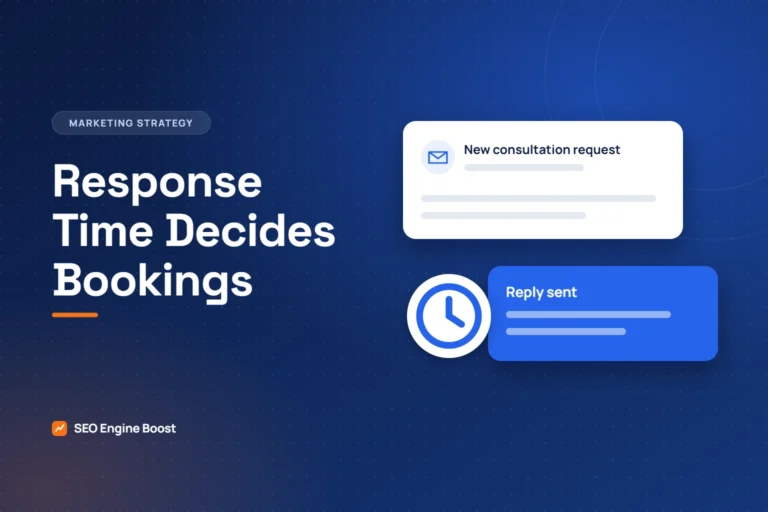
For web forms, speed matters just as much. A form that waits a day for a reply often goes cold; see consultation request follow-up for timing and scripts.
Stage 2 and 3: Making the consultation feel worth the trip
Before the visit
- Send a short “what to expect” message with parking details, the doctor’s name and photo, and what to bring.
- Offer online forms, but keep them short. Ask only what you need for the first visit.
- Send a reminder the day before. If no-shows are a problem, our guide to reducing orthodontic consult no-shows has a full reminder sequence.
During the visit
- Greet by name within moments of arrival. A family that stands at a counter unnoticed starts the visit annoyed.
- Explain each step before it happens: photos, scans or x-rays, then the exam, then the plan.
- Use the family’s words. If the parent said “she hides her smile in photos,” the plan presentation should connect back to that.
- Make fees clear and simple. Show the total, the down payment and the monthly amount on one page. Explain what is included (retainers, emergency visits, refinements).
- Do not pressure. Offer a same-day start if the family is ready, and a clear next step if they are not.
Track how many consults become starts with our case acceptance rate calculator. A drop often points to a presentation or follow-up issue rather than a marketing one.
Not sure where your practice stands? A free growth audit lists your top three fixes for Google, Maps and AI answers, in writing. Get a free growth audit · See our orthodontic marketing services
Stage 4: Following up with families who have not decided
Families who leave without starting are not lost; many simply need time, a spouse’s input or a financing answer. A simple, respectful follow-up sequence:
- Day 1 to 2: treatment coordinator call. “Did any questions come up after you got home?”
- Day 7: a short message with a link to a video or page that answers a common question (for example, how payment plans work).
- Day 21 to 30: a final check-in, offering to hold the treatment plan or reschedule a conversation with the doctor.
Texting requires the right consent. Confirm that your consent language covers the messages you send.
Stages 5 and 6: The treatment visits nobody markets
Most of the experience happens during routine adjustments and aligner checks, which is exactly why they are often neglected.
- Post-start check-in: call or text the evening after bonding or the first aligner visit. “How is the soreness? Here is what helps.” This one touch is remembered.
- Run on time: chronic delays erode goodwill faster than almost anything. Track average wait time and fix the schedule template, not just the staff.
- Talk to the parent: a 30-second update at the end of each visit (“We are on track; next visit we will start elastics”) keeps parents informed when they are not in the chair.
- Make missed appointments easy to fix: online rescheduling or a quick text reply.
- Celebrate milestones: halfway point, last aligner tray, elastics complete.
Stage 7: How do you turn debond day into reviews and referrals?
Debond is the most emotional moment in treatment, and the best time to ask for a review or a referral. Keep it genuine and compliant.
- Make it an occasion: a reveal mirror, before-and-after comparison for the patient to keep, and a photo opportunity (post photos publicly only with written consent).
- Ask everyone, not just the happiest families. Google’s prohibited and restricted content policy does not allow businesses to offer incentives for reviews or to discourage negative reviews or selectively solicit positive ones. Any review request system should go to all patients at the same stage.
- Make it easy: send the direct review link by text or email the same day, with permission to message.
- Ask for referrals directly: “If you know anyone who has been thinking about braces or aligners, we would love to meet them.” Our orthodontic referral marketing guide covers referral programs and how to keep them compliant.
When reviews come in, reply to each one without confirming that the reviewer is a patient or mentioning any treatment details. See how to respond to patient reviews under HIPAA for safe reply templates.
Stage 8: Retention is part of the experience
After debond, many practices go quiet. Retention visits are a chance to keep relationships alive:
- Explain retainer wear and replacement policy in writing on debond day.
- Schedule the first retainer check before the family leaves.
- Ask about siblings at retention visits and note them in the chart for a future recall.
- Make replacement retainers easy to order, with clear pricing.
What should you measure to improve the orthodontic patient experience?
Pick a small scorecard and review it monthly with the team. Set your own baselines first, then improve against them.
- Answered-call rate during business hours (from your phone system or call tracking).
- Median time to first response for web forms.
- Consult show rate (attended divided by booked).
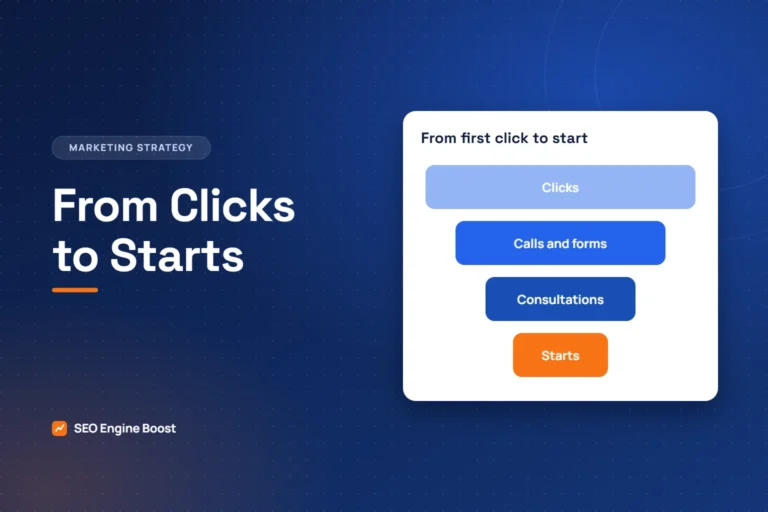
- Start rate (starts divided by attended consults), same-day and within 30 days.
- On-time appointment rate or average wait time.
- Missed appointment rate during treatment.
- New Google reviews per month and average rating trend.
- Referral share: the percentage of new patients who name an existing patient, family member or friend as their source.
A short post-debond survey (two or three questions, including “How likely are you to recommend us?”) adds qualitative detail. Read the comments; they usually point to one fixable process.
Want this done for your practice? We can set up call tracking, follow-up automation and review requests that support a better patient experience and show up in your reports. Start with a free growth audit or see our published prices. Learn more about our orthodontic marketing services.
Frequently asked questions
What is the orthodontic patient experience?
It is every interaction a patient and their family have with your practice, from the first call or form fill through consultation, treatment visits, debond and retention. Each touchpoint affects whether they start, how they feel during treatment, and whether they leave a review or refer others.
When is the best time to ask an orthodontic patient for a review?
Debond day is a natural moment, along with milestones like the halfway point. Ask every patient at the same stage, send the direct link the same day, and never offer incentives or ask only patients you expect to be happy.
How do I improve orthodontic consultation conversion?
Answer and follow up quickly, send a clear what-to-expect message, run the consult on time, connect the plan to the family’s own concerns, present fees simply, and follow up with undecided families on a set schedule.
Which patient experience metrics should an orthodontic office track?
Start with answered-call rate, time to first response, consult show rate, start rate, on-time appointment rate, missed appointments, new reviews per month and referral share. Review them monthly against your own baseline.
Does patient experience affect online marketing?
Yes. Reviews, referrals and repeat family starts all come from how patients felt. A strong experience makes every marketing dollar work harder because more leads start and more patients recommend you.